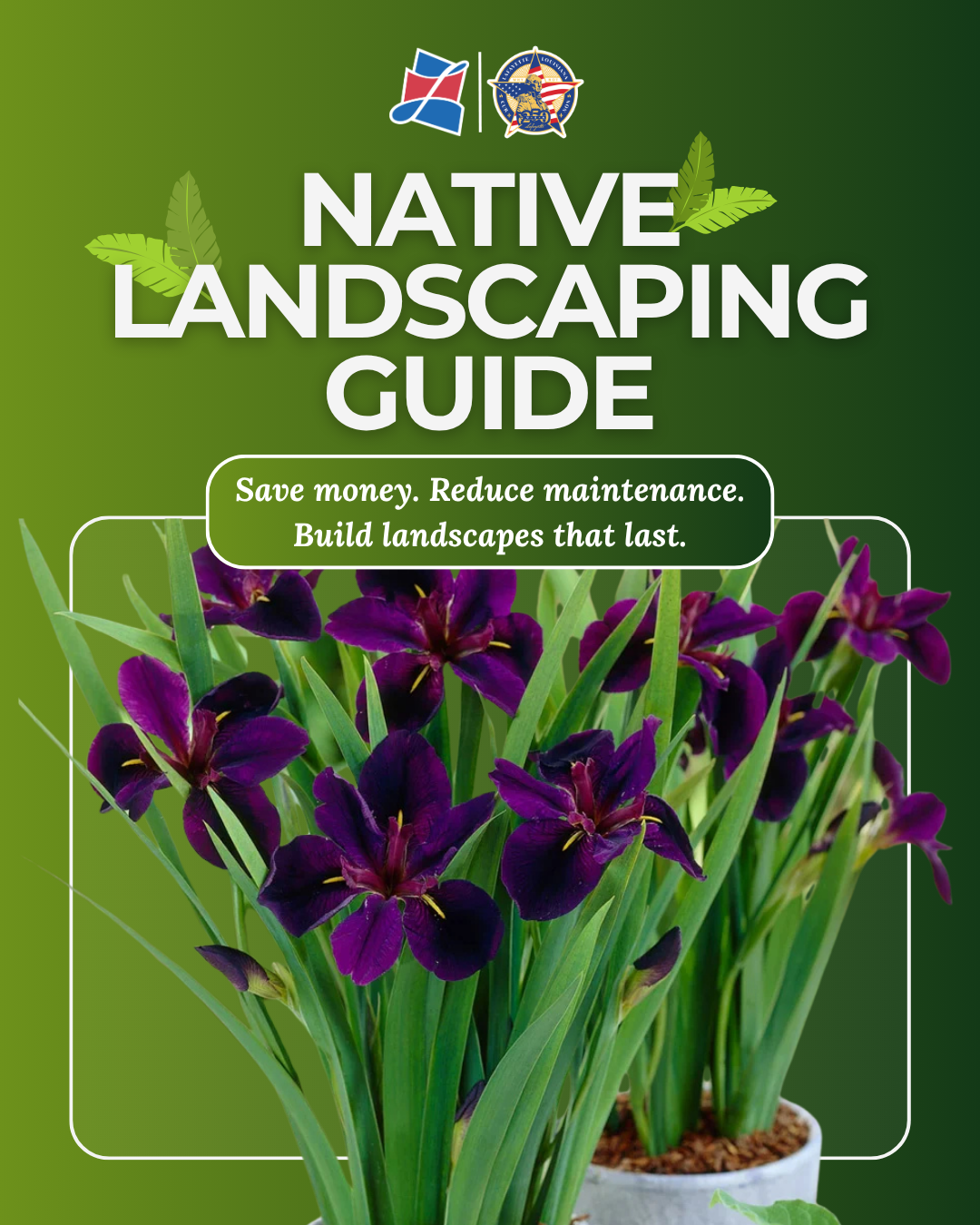
BOULET ADMINISTRATION LAUNCHES NATIVE LANDSCAPING GUIDE TO DRIVE SMARTER, MORE RESILIENT INFRASTRUCTURE

BOULET ADMINISTRATION LAUNCHES NATIVE LANDSCAPING GUIDE TO DRIVE SMARTER, MORE RESILIENT INFRASTRUCTURE
Administration-led effort prioritizes long-term savings, resilience, and smarter landscape design
LAFAYETTE, LA – Lafayette Consolidated Government (LCG) launches a new Native Landscaping Guide as part of a broader effort to build a more resilient and efficient Lafayette Parish through smarter, more sustainable landscaping practices.
The initiative, developed under the Boulet administration, was formally adopted through a unanimous vote of both the Lafayette City and Parish Councils as Joint Resolution No. 009-2026, reflecting strong alignment around a shared goal: investments that perform better over time while reducing maintenance demands and costs. The guide was developed in partnership with Abbie Judice Acosta of Tree Amis, LLC, a certified arborist and local expert in sustainable landscape design.
Originally developed as an internal tool to guide plant selection and landscape design across LCG investments and facilities, the Native Landscaping Guide is also being shared publicly, giving residents access to the same approach used to create more durable, lower-maintenance public spaces. The guide serves as a practical, easy-to-use resource for selecting plants naturally adapted to Louisiana’s climate, soils, and environmental conditions, while also outlining best practices for planning, installation, and long-term care.
Native plants support both environmental performance and operational efficiency by:
- Improving stormwater absorption and reducing runoff, helping ease pressure on drainage systems
- Lowering water usage and reducing reliance on fertilizers and chemical inputs
- Decreasing long-term maintenance needs and associated costs
- Supporting biodiversity, including pollinators and local wildlife
Native plants are built for Louisiana’s conditions—from heavy rain and flooding to long stretches of heat. Their deep roots help hold soil in place, absorb water more effectively, and create landscapes that last.
The guide also addresses challenges associated with traditional ornamental landscaping, noting that many non-native plants require higher inputs and ongoing maintenance to perform in local conditions. LCG’s approach targets approximately 75% native plantings, complemented by 25% non-invasive, non-native species to meet specific functional or aesthetic needs.
In addition to plant recommendations, the guide includes:
- Step-by-step guidance for planning, installation, and early maintenance
- Sample plant palettes for a variety of site conditions and uses
- Identification of invasive species to avoid
- Key considerations for successful plant establishment
While native landscapes require thoughtful planning and care during the initial establishment phase, they offer significant long-term returns through reduced maintenance, improved durability, and enhanced environmental performance.
This effort supports broader work underway to strengthen green infrastructure, improve drainage system performance, and enhance the overall quality and character of Lafayette Parish.
Residents are encouraged to explore the Native Landscaping Guide and learn how to incorporate these practices into their own landscapes by clicking here.
###