
Stormwater Pollution Solution
Recycle or properly dispose of household products that contain chemicals, such as insecticides, pesticides, paint, solvents, and used motor oil and other auto fluids.

Students learning about storm water pollution

Litter free waterway

Don’t pour them onto the ground or into storm drains! Excess fertilizers and pesticides applied to lawns and gardens wash off and pollute waterways. In addition, yard clippings and leaves can wash into storm drains and contribute nutrients and organic matter to waterways. It may also hinder proper drainage.
- Don’t over water your lawn. Consider using a soaker hose instead of a sprinkler.
- Use pesticides and fertilizers sparingly. When use is necessary, use these chemicals in the recommended amounts. Use organic mulch or safer pest control methods whenever possible.
- Compost or mulch yard waste. Don’t leave it in the street or sweep it into the storm drains or waterways. Lafayette city and unincorporated parish have curbside yard waste pick up which is turned into a desirable, totally useful, nutrient-rich soil additive. Come pick up the end product, compost, free of charge.
- Cover piles of dirt or mulch being used in landscaping projects.
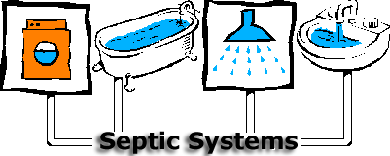
Leaking and poorly maintained septic systems release nutrients and pathogens (bacteria and viruses) that can be picked up by Stormwater and discharged into nearby waterbodies. Pathogens can cause public health problems and environmental concerns.
- Inspect your system every 3 years and pump your tank as necessary (every 3 to 5 years)
- Don’t dispose of household hazardous waste in sinks or toilets.
Washing your car and degreasing auto parts at home can send detergents and other contaminants through the storm sewer system. Dumping automotive fluids into storm drains has the same result as dumping the materials directly into a water body.
- Use a commercial car wash that treats or recycles the wastewater or wash your car on your lawn so the water infiltrates into the ground.
- Repair leaks and dispose of used auto fluids and batteries at designated drop off or recycling locations.
| Product | Better Alternative |
| Bleach | Borax or hydrogen peroxide |
| Chrome cleaner | Apple cider vinegar to clean, baby oil to polish |
| Drain cleaner | Boiling water and plunger or plumber's snake |
| Engine cleaner | Steam clean the engine in a dedicated service area |
| Fiberglass stain remover | Baking soda paste, scrub pad, "elbow grease" |
| Paint stripper | Physically remove old paint without chemical use. Avoid products containing methylene chloride, trichloroethylene, benzene, trichloroethane, xylene or toluene. |
| Scouring powders | Baking soda and "elbow grease". |
| Window cleaner | Vinegar and lemon juice mixed in lukewarm water. |
| Wood polish | Olive oil or almond oil for interior wood; use water - or borax-based products |
Pet waste can be a major source of bacteria and excess nutrients in local waters.
- When walking your pet, remember to pick up the waste and dispose of it properly. Flushing pet waste is the best disposal method. Leaving pet waste on the ground increases public health risks by allowing harmful bacteria and nutrients to wash into the storm drain and eventually into local water bodies.

Construction Sites - Erosion controls that aren’t maintained can cause excessive amounts of sediment and debris to be carried into the Stormwater system. Construction vehicles can leak fuel, oil, and other harmful fluids that can be picked up by Stormwater and deposited into local water bodies.
- Divert stormwater away from disturbed or exposed areas of the construction site.
- Install silt fences, vehicle mud removal areas, vegetative cover, and other sediment and erosion controls and properly maintain them, especially after rainstorms.
- Prevent soil erosion by minimizing disturbed areas during construction projects and seed and mulch bare areas as soon as possible.
Education is essential to changing people’s behavior. Signs and markers near storm drains warn residents that pollutants entering the drains will be carried untreated into a local water body.
If you have any questions or comments, please contact Lafayette Consolidated Government Environmental Quality at 291-8529.


