Home Sewage Treatment Systems
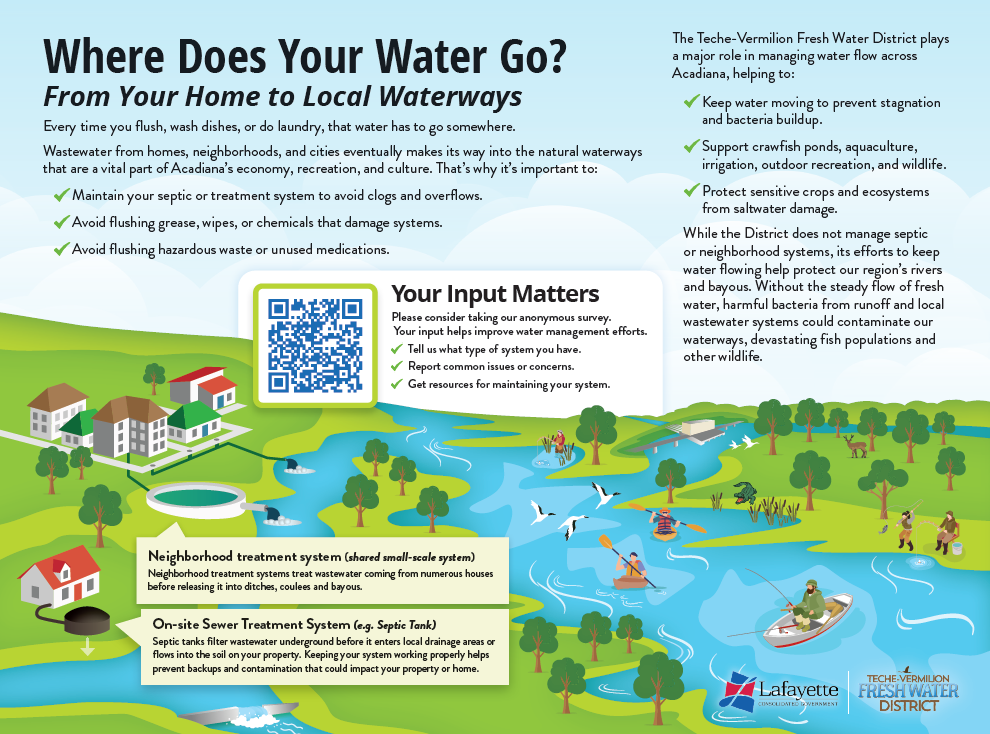
About Your Home Sewage Treatment System
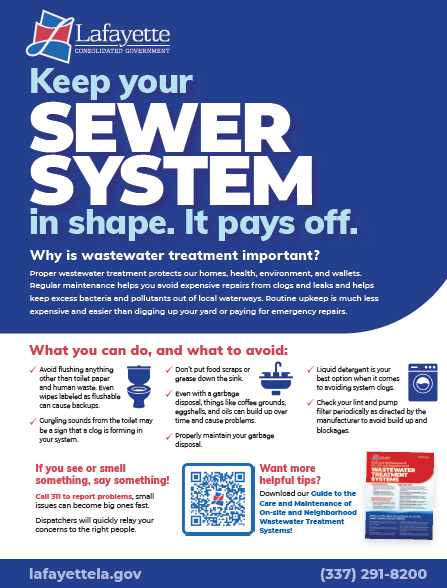
Regular maintenance of your home sewage treatment system saves money, protects your family’s health, and protects the environment.
Sewer Treatment System Basics
Many systems have an aerator to supply oxygen that helps microbes breakdown and treat waste. Annual inspections are recommended to ensure the aerator is working.
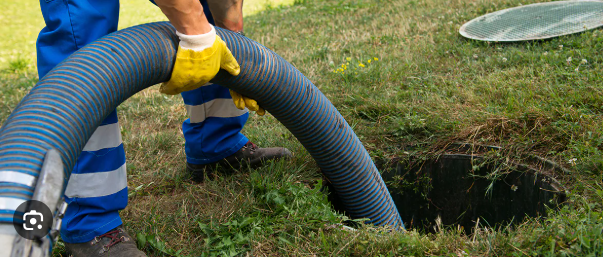
Treatment system tanks MUST be pumped periodically, generally every three to five years, but longer periods may be acceptable based on your inspection results.
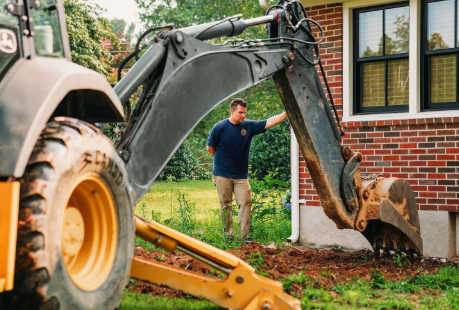
Improper maintenance is the most common cause of costly treatment system repair or replacement.
Money Matters
Inspections and pumping costs can range from $100 to $400. System replacement cost is $2,000 to $15,000 or more. Regular inspections and maintenance cost far less and can prevent a costly system replacement. There are programs available to help homeowners finance maintenance, repair, and replacement of their systems. One such program is administered by LCG’s Housing Services Division.
 You can learn more and access the application portal by visiting this webpage:
Housing Services Sewer Assistance Repair Program
System Inspections & Maintenance
Louisiana Department of Health (LDH) permits individual on-site treatment systems and licenses installers and maintenance providers. LDH requires that inspections and maintenance be performed by a licensed installer or maintenance provider that has an endorsement from the manufacturer. Visit their webpage to view the “Active Lists” or to learn more about the homeowner certification program: https://ldh.la.gov/bureau-of-sanitarian-services/wastewater
Between Pump-outs
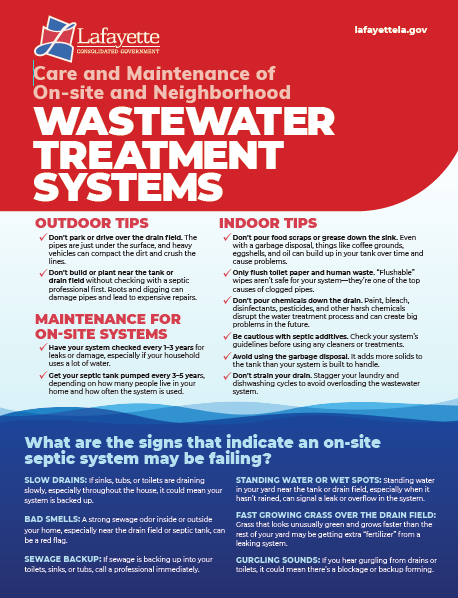
- Regular visual inspections of your system are a good maintenance practice. If your system has an aerator, check to see if it is running and/or if an indicator light is on. Keep the pump free of debris (such as grass clipping) and ants.
- NEVER flush or pour paint, varnishes, paint thinners, waste oils, or pesticides in the system.
- Avoid putting hair, coffee grounds, dental floss, diapers, kitty litter, feminine hygiene products, cigarette butts, etc. in the system. Even “flushable” wipes cause blockages.
- Be observant of wet spots, sewage odors in the house or yard, and any irregular discharge coming from the discharge pipe or drain-field. Do not drive or park anything heavier than a lawnmower over any part of your sewer system.
Water Conservation & Pollution Prevention
Failing wastewater treatment systems can allow untreated human wastes to flow into drainage ditches and nearby waters. Fecal coliforms (bacteria) have been documented in many Louisiana waterways, and indicate the presence of harmful bacteria, viruses, and parasites. Untreated waste can harm wildlife by releasing toxic pollutants, increasing the temperature, and lowering oxygen in the water.
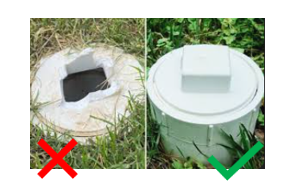
Did you know? Plumbing should not be used to drain stormwater!
Broken or open cleanouts and wastewater lines allow stormwater to enter wastewater systems. The surge of extra water causes the systems to fail, overflow, and release untreated sewage into the environment. Plumbing repairs and keeping your cleanouts closed protects you and wastewater treatment systems.
Downloadable Publications
These resources were developed to be helpful and informative for all residents, including those connected to neighborhood package plants and municipal-operated treatment plants.